
Awaab's Law - Phase 2 (What you need to know)
Phase 2 of Awaab’s Law
Electrical contractors working in the social housing sector are being urged to prepare for the next stage of Awaab’s Law, with new requirements coming into force on 30 November 2026. The changes will bring electrical hazards further into focus, placing greater responsibility on social housing landlords to identify, investigate and resolve safety issues within strict legal timescales.
Introduced following the tragic death of two-year-old Awaab Ishak, the legislation aims to protect social housing tenants by ensuring landlords take timely action when serious health and safety hazards are identified. Established under the Social Housing (Regulation) Act 2023, it sets out clear expectations for investigating and addressing hazards that could put residents at risk.
What is changing under Phase 2?
The first phase of Awaab’s Law came into effect in October 2025, initially covering damp and mould, alongside emergency hazards that pose an immediate threat to tenants.
From 30 November 2026, Phase 2 will extend the legislation to cover additional categories under the Housing Health and Safety Rating System (HHSRS). These include:
- Electrical hazards
- Fire risks
- Structural collapse
- Excess cold
- Excess heat
The expansion means social housing landlords will need to take appropriate action when electrical defects and other newly covered hazards are reported, ensuring investigations and any necessary remedial work are completed within the required statutory timescales.
The role of electrical contractors
Electrical contractors will be an important part of helping housing providers meet their responsibilities under the expanded legislation.
From carrying out inspections and electrical testing to identifying faults and completing remedial work, contractors will help landlords assess potential risks and maintain safe living conditions for tenants.
There is also likely to be increased focus on response times, accurate reporting and maintaining clear records of work undertaken. Demonstrating that hazards have been properly investigated and addressed will be essential for housing providers working to meet their legal obligations.
This makes technical knowledge, professional competence and the ability to respond efficiently increasingly important for contractors operating within the social housing sector.

Why competence and certification matter
Under the guidance published by the Ministry of Housing, Communities & Local Government, landlords are responsible for ensuring that electrical hazards are investigated by a ‘qualified and competent’ electrician.
For contractors, this reinforces the importance of demonstrating the skills, knowledge and experience required to undertake electrical safety work.
NICEIC-certified businesses have undergone independent assessment against the requirements of their certification scheme, giving landlords additional reassurance when choosing contractors to carry out inspections, testing and remedial work.
Paul Collins, Technical Director at NICEIC, said:
“The expansion of Awaab’s Law is a welcome legislative change to improve conditions and safety for tenants. The introduction of Phase 2 highlights the growing importance of electrical safety within the social housing sector. Electrical contractors have a vital role to play in helping landlords identify hazards, carry out remedial work and keep residents safe. It is essential that contractors remain up to date with regulatory requirements and continue to demonstrate the competence needed to support housing providers in meeting their legal responsibilities.”
Preparing for the November 2026 changes
With Phase 2 approaching, NICEIC is encouraging electrical contractors to familiarise themselves with the updated requirements and consider what they mean for their work with housing associations, local authorities and other social housing providers.
Having effective inspection, testing, reporting and maintenance procedures in place will help contractors support landlords in meeting their obligations, while ensuring electrical hazards are dealt with appropriately.
The Government has also opened a public consultation, launched on 9 October 2026, on proposals to extend Awaab’s Law to the private rented sector. This could eventually bring similar protections to a much wider group of tenants.
Find out more:
- Government guidance: Awaab’s Law Phase 2 for social housing landlords
- Government consultation: Extending Awaab’s Law to private rented tenancies and licences
If you’re looking to expand your testing capabilities, take a look at Di-LOG’s environmental testing range, including our DLLEG1 Legionella Test Kit. Click the links below to explore the range and find out more about the equipment available to support water temperature monitoring and wider environmental testing requirements.
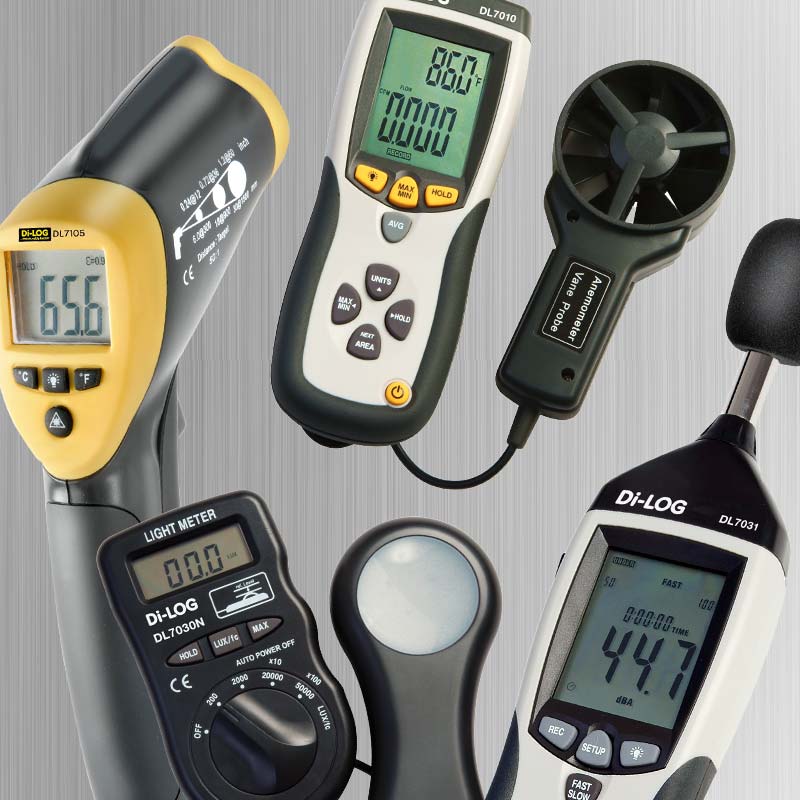

All of our Di-LOG kits meet the safety and performance requirements of BS EN 61557.